The History of Tokyo Skytree: Why It Was Built
Tokyo skytree history: a 2003 broadcaster search, 2008 groundbreaking and a 2012 opening. Why it stands 634m tall, with a full build timeline.
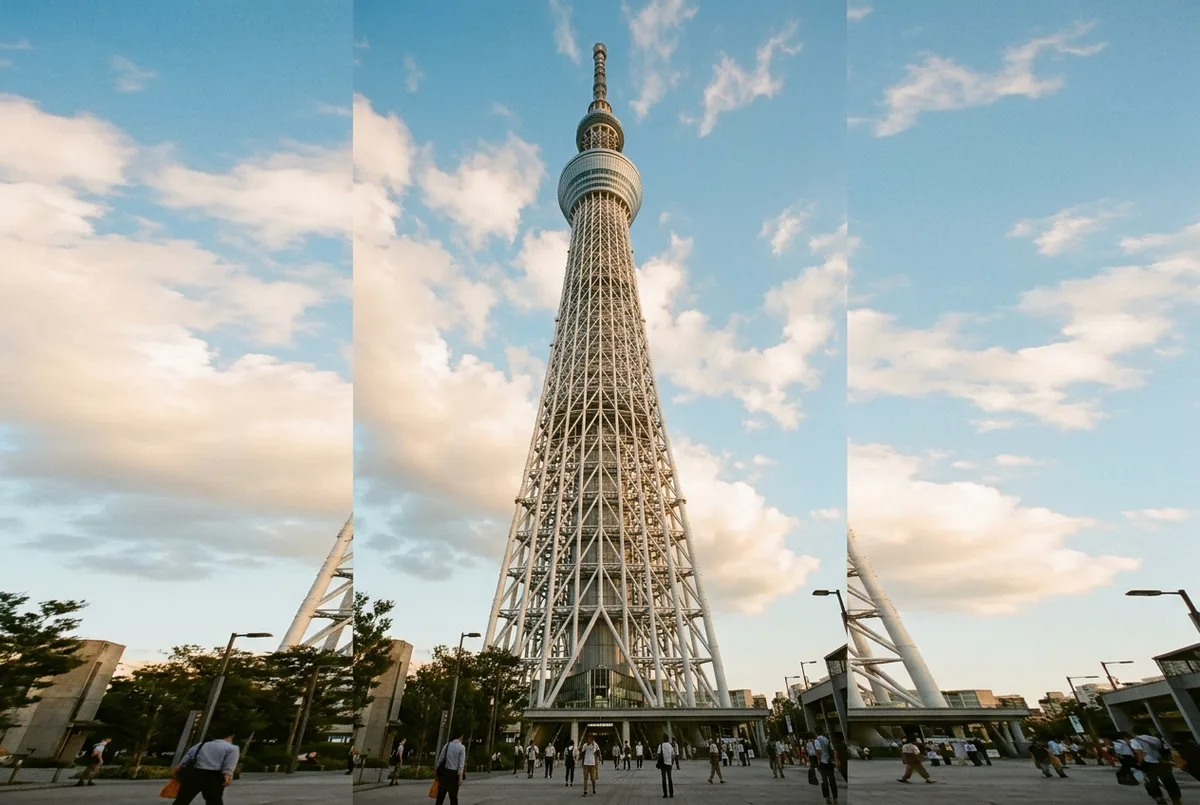
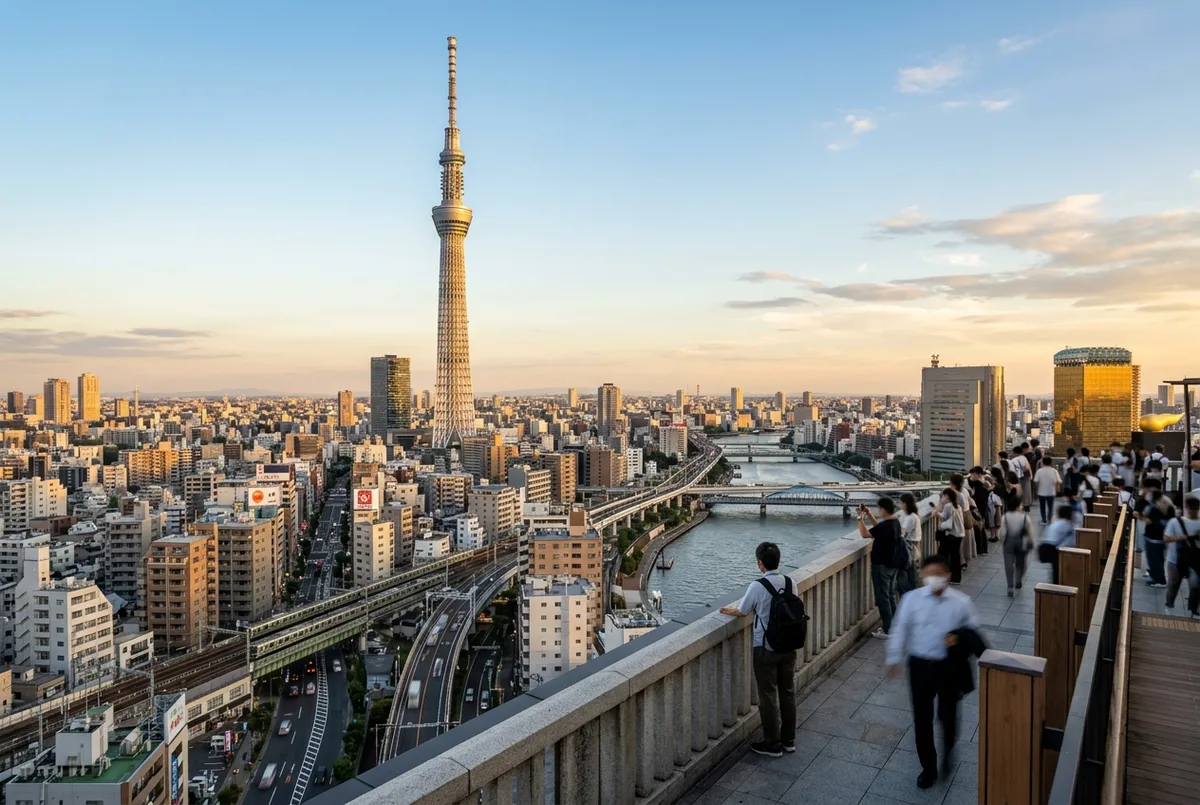
Tokyo Skytree history starts with a 2003 search by six broadcasters for a taller tower, groundbreaking in July 2008, and a May 22, 2012 public opening. It stands 634 meters tall, the world's tallest broadcasting tower.
 Tokyo Skytree Admission Ticket: Tembo Deck From $12.53 · Cheapest way up the tower See dates
On this page 8 sections
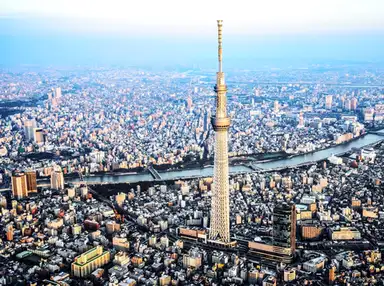
Tokyo skytree history is, honestly, a broadcasting story that happened to grow a tourist attraction on top of it. Six broadcasters went looking for a taller tower in 2003. Ground broke in 2008. By May 2012 the thing was finished, 634 meters of it, open to the public.
Tokyo Skytree build timeline
Source:TOKYO SKYTREE official siteWhy was Tokyo Skytree built?
Here’s the short version: six Tokyo-based broadcasters, NHK among them, started hunting for a new tower around 2003 because Tokyo kept building upward around Tokyo Tower and the skyline was chewing into clean digital broadcast coverage across the Kanto region. That’s Wikipedia’s account of it, anyway. Tokyo Skytree’s own history timeline just says six broadcasters launched the search for a roughly 600 m site on December 17, 2003 — it doesn’t actually spell out the high-rise interference as the cause, that part comes from the independent record.
Think about trying to pull a clean digital TV signal across a city that keeps stacking tall buildings between the transmitter and your rooftop aerial. That’s the real problem those six broadcasters were chasing when they went site-hunting. It’s also why the tower ended up doubling as an integrated radio tower for the Tokyo metropolitan area — built to keep transmitting through disasters, not just on ordinary Tuesdays.
“An integrated radio tower for the Tokyo metropolitan area.”
Tokyo Updates, Tokyo Metropolitan Government, 2026 · source
When did construction on Tokyo Skytree start?
Ground broke at a groundbreaking and safety-prayer ceremony on July 14, 2008, out in the Oshiage district of Sumida Ward. Oshiage had already been the first pick since March 28, 2005, finalized a year later on March 31, 2006. Slow-moving decisions, then a long build.
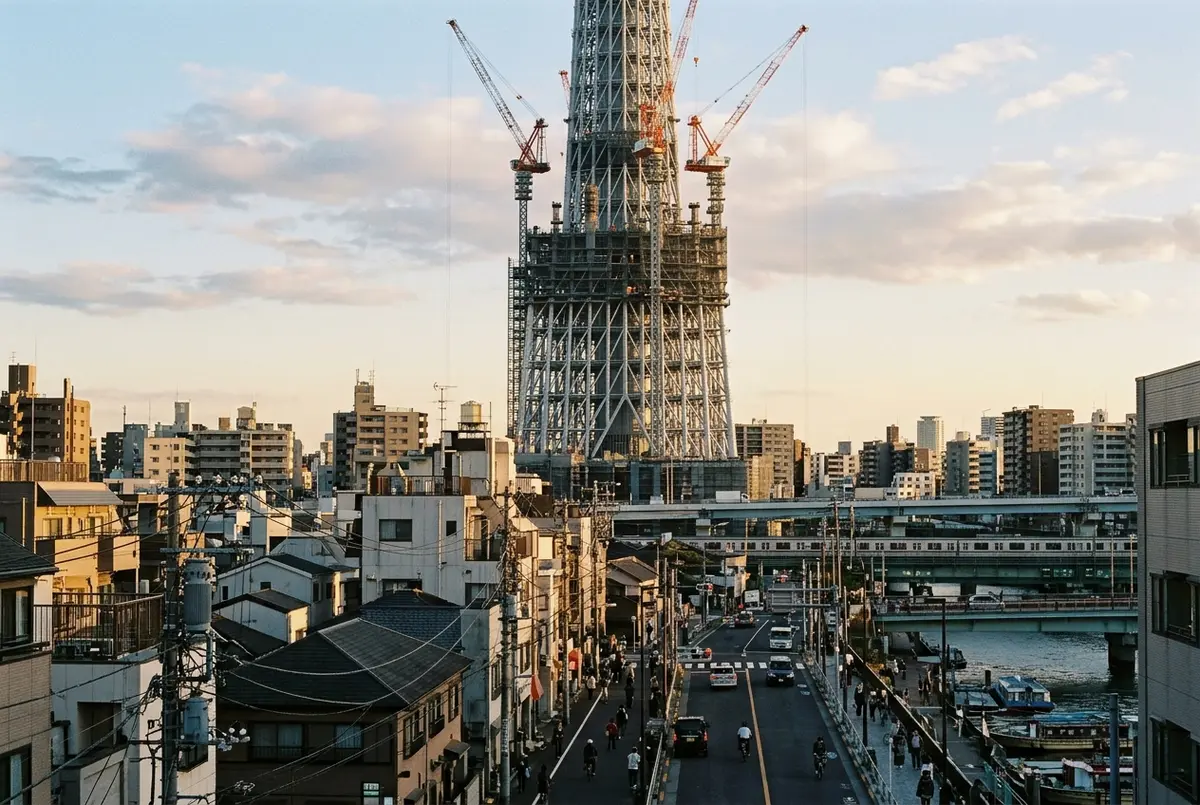
The steel framework above ground started climbing on April 6, 2009 — about nine months after the ceremony itself. All that time in between went to foundation and underground work, unglamorous stuff, before the lattice tower you actually see today began to rise.
Who designed and built Tokyo Skytree?
Nikken Sekkei Ltd. did the design and supervision, Obayashi Corporation built it, and Tobu Railway developed the whole project as owner. These days the tower itself is run by Tobu’s subsidiary, TOBU TOWER SKYTREE Co., Ltd.
Wikipedia’s entry names the same architect, developer and main contractor. No conflicting story here — the operator’s own site and the independent record agree.
How long did Tokyo Skytree take to build?
From the July 2008 groundbreaking to structural completion on February 29, 2012, construction ran roughly three years and seven months. And here’s the thing people miss: the tower had already hit its full 634 m height about a year earlier, on March 31, 2011. Everything after that was interior work, finishing touches, the stuff that doesn’t show up in a skyline photo but eats a surprising amount of calendar time.
| Milestone | Date | Source |
|---|---|---|
| Broadcasters launch the site search | Dec 17, 2003 | Official timeline |
| Groundbreaking ceremony | Jul 14, 2008 | Official timeline |
| Tower reaches full height, 634 m | Mar 31, 2011 | Official timeline |
| Construction completed | Feb 29, 2012 | Official timeline |
| Grand opening to the public | May 22, 2012 | Official timeline |
| Tokyo MX fully moved to Skytree broadcasts | May 13, 2013 | Wikipedia |
I’d call that gap between “full height” and “completed” totally normal for a tower this size — once the structure tops out, the interior decks, the elevators, all the finishing work still eat close to a year.
Why is Tokyo Skytree 634 meters tall?
Here’s a fun one. The project was first planned at around 610 m, then raised to 634 m so it would stand as the world’s tallest free-standing broadcasting tower — a title Guinness World Records confirmed on November 17, 2011. But there’s wordplay buried in the number too: 6-3-4 reads “Musashi” in Japanese, the old province name for the land the tower now sits on.
Typical, if you ask me, of how this whole project got pitched. A height record and a quiet nod to local history, both stuffed into the same three digits.
What happened to Tokyo Tower after Skytree opened?
Tokyo Tower didn’t go dark overnight. It kept broadcasting through a slow, multi-year handover instead. Tokyo MX began simulcasting from both towers on October 1, 2012, moved fully over to Skytree by May 2013, and the remaining five Tokyo-area broadcasters started regular transmission from Skytree on May 31, 2013. Tokyo Tower still carries FM radio today. Curious how the two towers stack up now? There’s an observation towers in Tokyo comparison for that.
If you’re weighing a visit to Tokyo Tower against Skytree rather than worrying about broadcast signals, the practical stuff, deck height, ticket price, is all on that comparison page. No point repeating it here.
When did Tokyo Skytree open to the public?
TOKYO SKYTREE TOWN ran its opening ceremony on May 14, 2012, with the grand public opening following on May 22, 2012. Normal, non-reservation operating hours kicked in on July 11, 2012, once the initial crowds had thinned out a bit.
Want to know what the decks and elevators actually look like today? See Tokyo Skytree’s height and facts and how fast the elevator actually runs.
Questions
Did an earthquake delay Tokyo Skytree’s completion?
No official source fetched for this page says anything about an earthquake delay. Construction stuck to its planned multi-year schedule from the 2008 groundbreaking through the 2012 completion, including right through the March 2011 Tohoku earthquake.
How tall is Tokyo Tower compared to Tokyo Skytree?
Tokyo Tower stands 333 meters, Tokyo Skytree reaches 634 meters. Almost double. The full breakdown of decks and prices across Tokyo’s towers lives on the observation deck comparison page.
Is Tokyo Skytree still used for broadcasting today?
Yes, still is. It’s served as the primary television and radio broadcast site for the Kanto region since the broadcasters finished their move in 2013, right alongside its day job as a public observation tower.
What does the name Tokyo Skytree mean?
Chosen through a public naming process in 2008, and it basically means what it says: a tree-shaped tower reaching into the sky. For the full naming story, runner-up name included, check what Tokyo Skytree’s design and name mean.